Past Works & Projects
Dr. Valerie Keenan’s artistic and academic journey is a compilation of history, culture, and creativity, weaving together local heritage, personal narratives, and artistic expression. Each of these projects reflects Keenan’s commitment to preserving and reimagining heritage through creativity, ensuring that the stories of the past continue to inspire and resonate with future generations.
Her diverse portfolio includes research, exhibitions, publications, artist talks, artist residencies and collaborative projects.
Current Project: One Voice – Two Lives
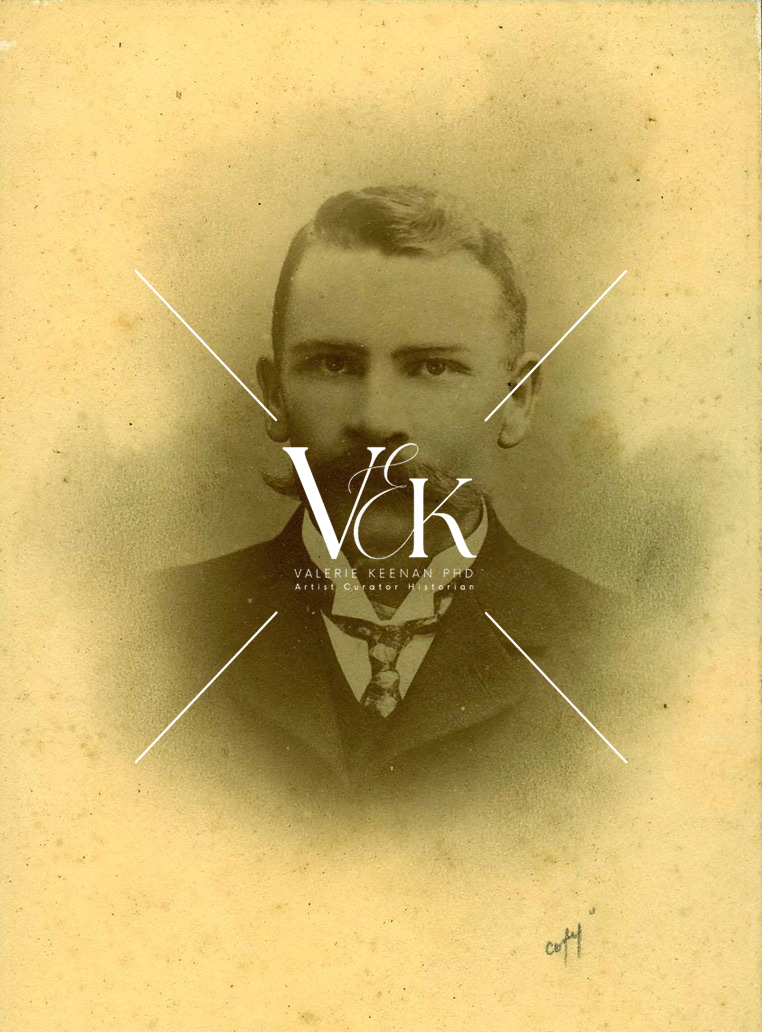
This ongoing project revisits the themes of Valerie’s 2008 thesis, Responsible Heritage – Writing Back to Willie and is inspired by the letters of William Henry (1876–1907), my great-uncle. Focusing on Queensland local history, culture, creativity, and heritage, it aims to deliver an historical and biographical publication which aims to provide fresh perspectives on lives lived alongside new artworks.
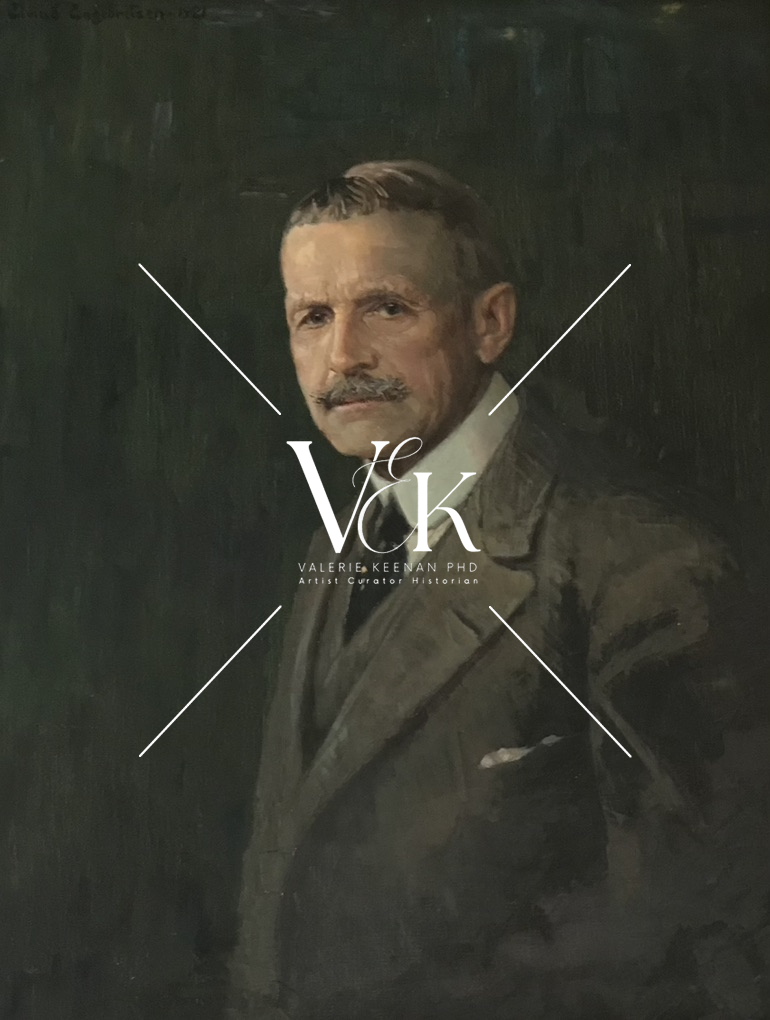
2019–2023: Drawing YOU In – Carl Lumholtz in the Herbert
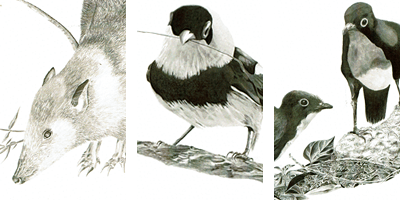
This ambitious project explored the legacy of Carl Lumholtz, a 19th-century ethnographer and naturalist. Valerie conducted research at the Natural History Museum and the Museum of Cultural History in Norway, collaborated with Traditional Owners for oral history gathering, and commissioned traditional hunting tools. These efforts culminated in a solo exhibition and a 92-page hardcover publication, launched at Tyto Regional Gallery in Ingham in June 2023. The exhibition is set to travel to Norway in mid-2025. The project was made possible through the QAG|GOMA Foundation Vida Lahey Memorial Travel Scholarship, Arts Queensland QASP Program, and RAF Quick Response Grants.
2009: Marks in the Scrub
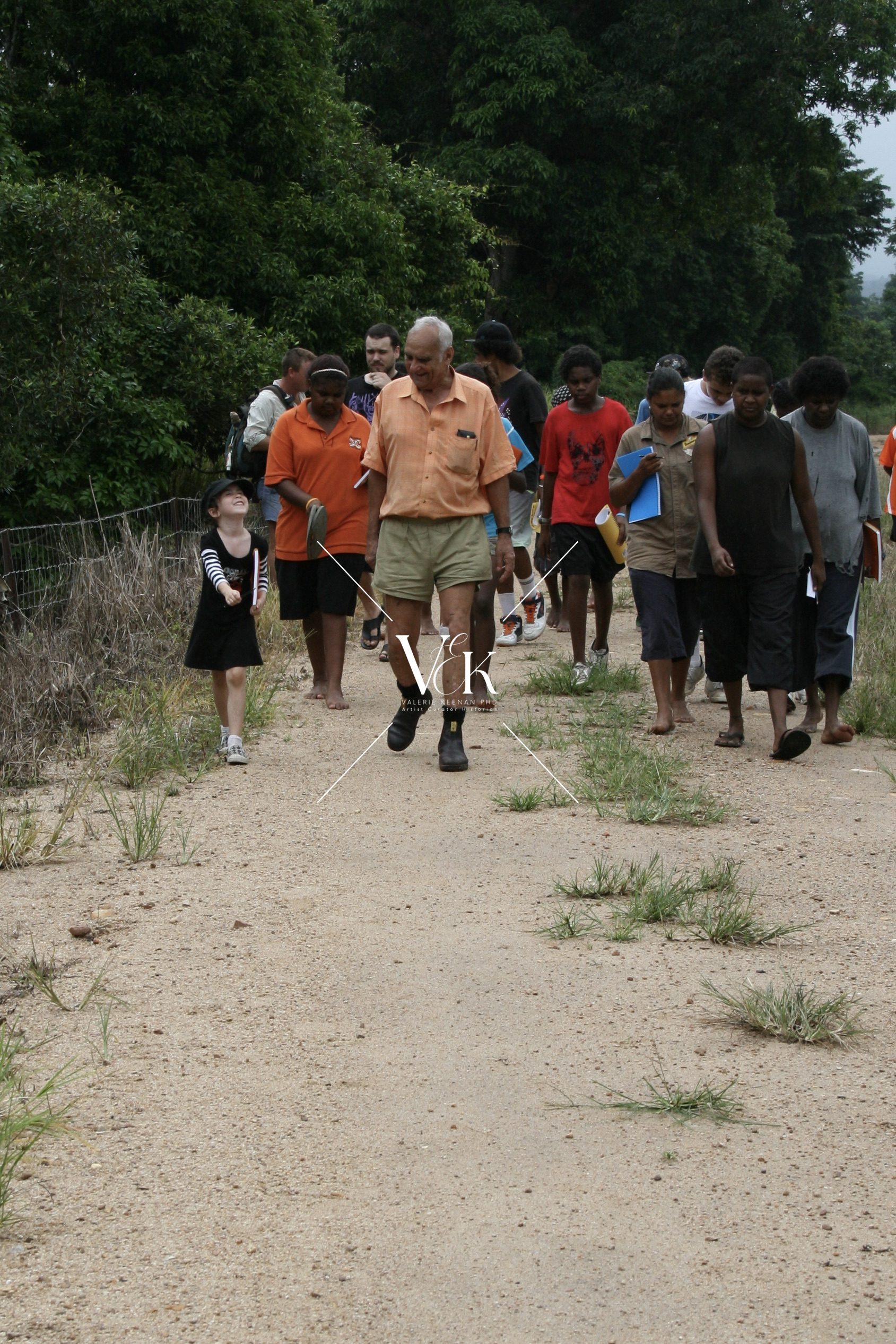
In collaboration with Jirrbal Elder Ernie Grant, Valerie coordinated an arts and cultural camp at Echo Creek . This initiative was rooted in the exploration of Indigenous culture and connection to the natural environment. A search for the tall and elusive bungganyu (zamia) tree which had foot ‘steps’ carved (marked) into the trunks by the old people and which are now rarely seen on the coastal plains. The fruit was a staple food and each tree was the property of specific familes and groups. The project was funded by Arts Queensland.
2003–2008: Responsible Heritage: Writing Back to Willie
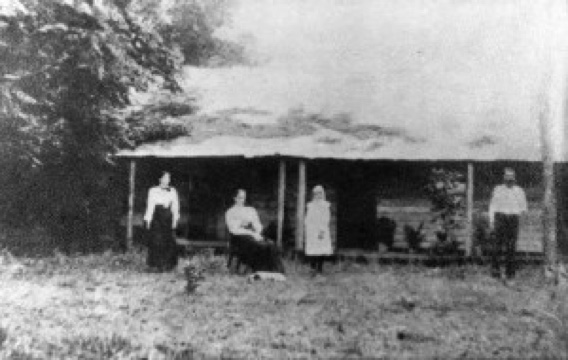
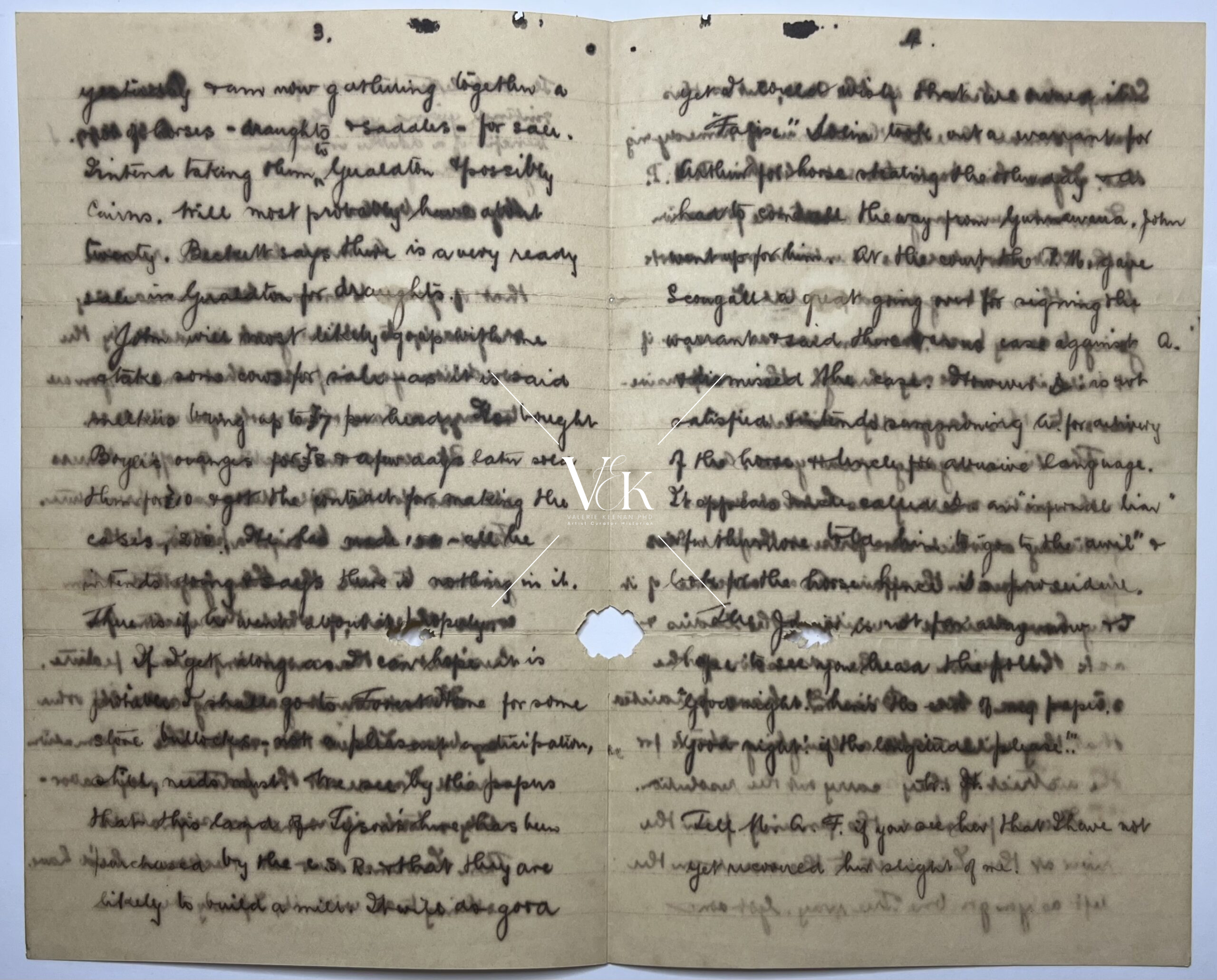
Valerie’s PhD thesis and accompanying solo exhibition were deeply inspired by a collection of letters (1895–1906) written by William Henry of Bellenden Plains in Far North Queensland. This research, supported by a USQ scholarship, blended social history, museum studies, and visual arts methodologies to make these narratives more visible through visual and oral interpretation.
2008: Cardwell Historical Kirrama Range Oral History Project
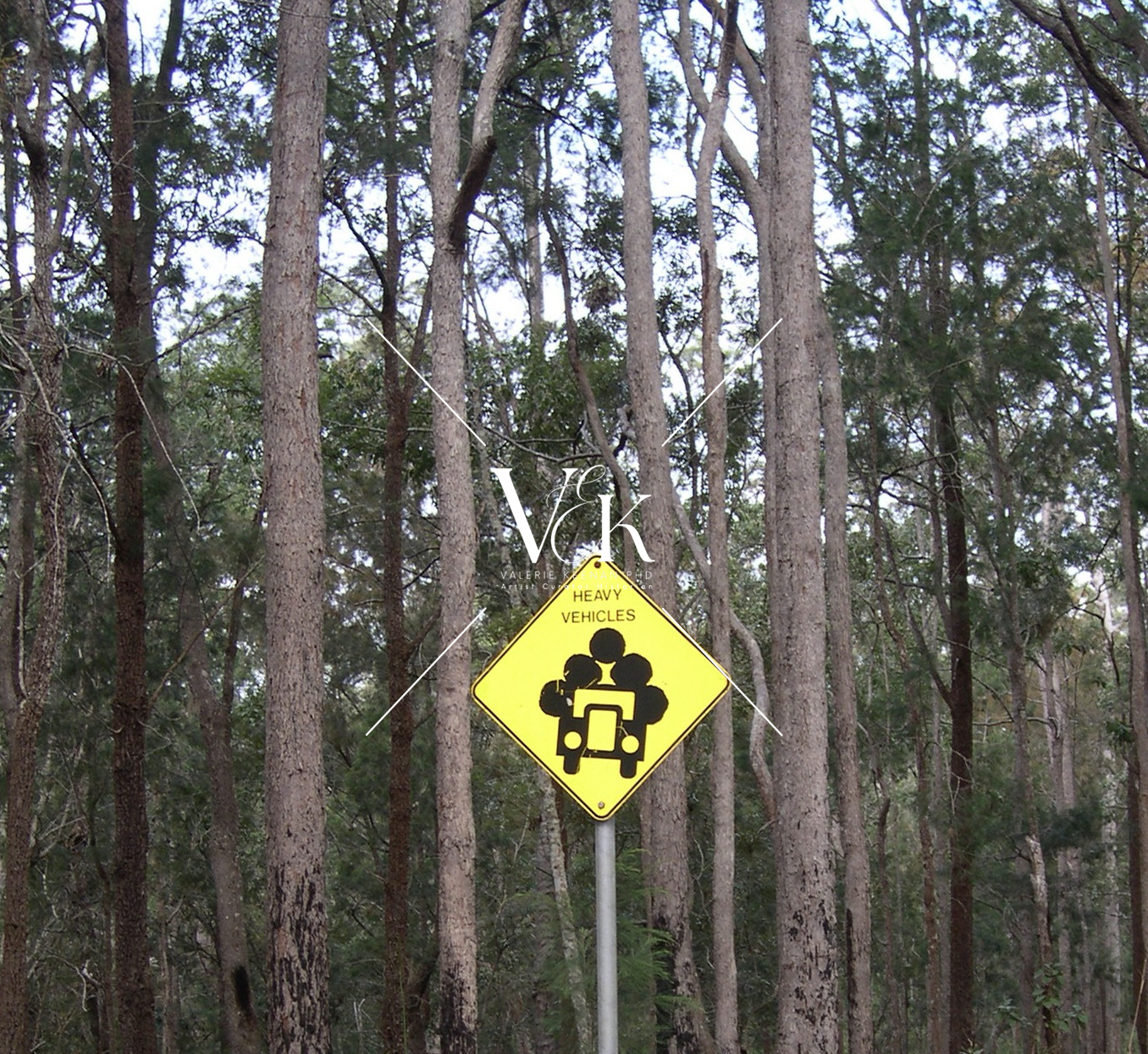
Valerie initiated and coordinated this oral history project for the Cardwell & District Historical Society. It involved recording and transcribing oral histories from the Kirrama Range area. The access road was established in the 1930s to allow timber trucks to haul the massive kauri pines and other logs to sawmills in Kennedy to supplement the war effort. Funded by the Cardwell Shire RADF Program the project also included the delivery of oral history workshop to community members.
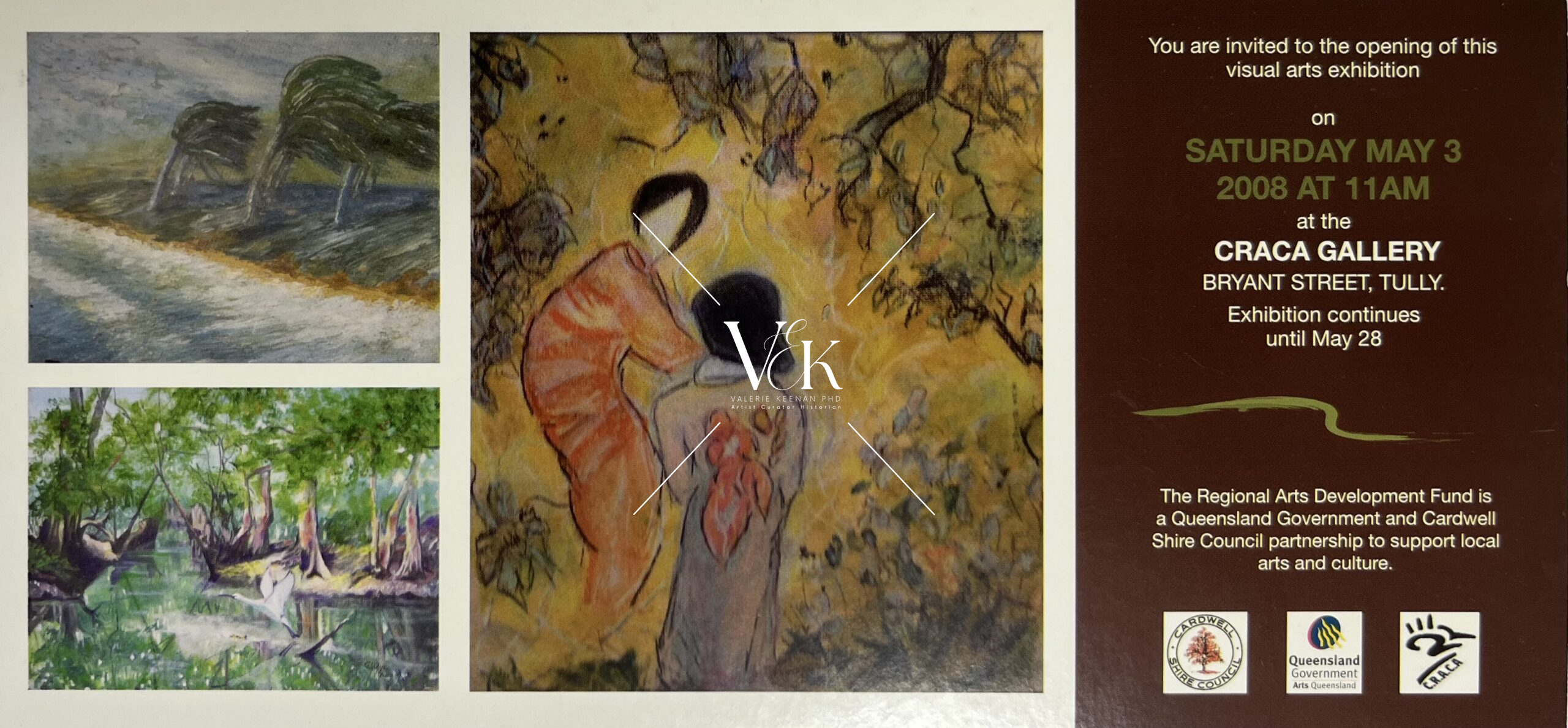
2008: Original Women
As coordinator and curator, Valerie brought to light the vibrant work of women artists who painted in Tully during the 1950s and 1960s. The artists were Molly Collins, Win Chandler, Olive Kelly, Cecilia O’Loghlen, Jean Exelby, Gladys Henry, June Hill, Betty Senko, Sue Bulman, Amy Jago, Brenda Jago and Viv Teitzel who took advantage of adult education classes being held in Tully. Notable tutors included Noel Woods, Arthur Evan reid, Andrew Sibley, John Coburn,Laurie Thomas, Hal Missingham, Merv Dodds, Eric Jolliffe, Bela Ivanya and Merv Moriarity. The exhibition of the artists work was held at CRACA Gallery in Tully and was funded by the Cardwell Shire Council RADF program and showcased the rich artistic heritage of the region.
2001: Bellenden Women
This Honours project was built around the lives and histories of women who lived on “Bellenden Plains” since the 1880’s through a selection of conceptual installations and a series of Artists Books. “Bellenden Plains” is a cattle property situated on a flood plain in North Queensland and the women are my ancestors and family – Barbara Henry Snr, Elizabeth Henry, Barbara Sparvell, Gladys Henry and Wendy Henry. Issues of identity, connection to place, spatial elements, gender, memory, interpretation and cultural influences were considered in relation to the effect of change.
A series of artist books was developed, together with silhouette images of each of the women and conceptual works which reflected each of their lives.